

河南发现吴石烈士简历
发布时间:2025-12-03 12:03
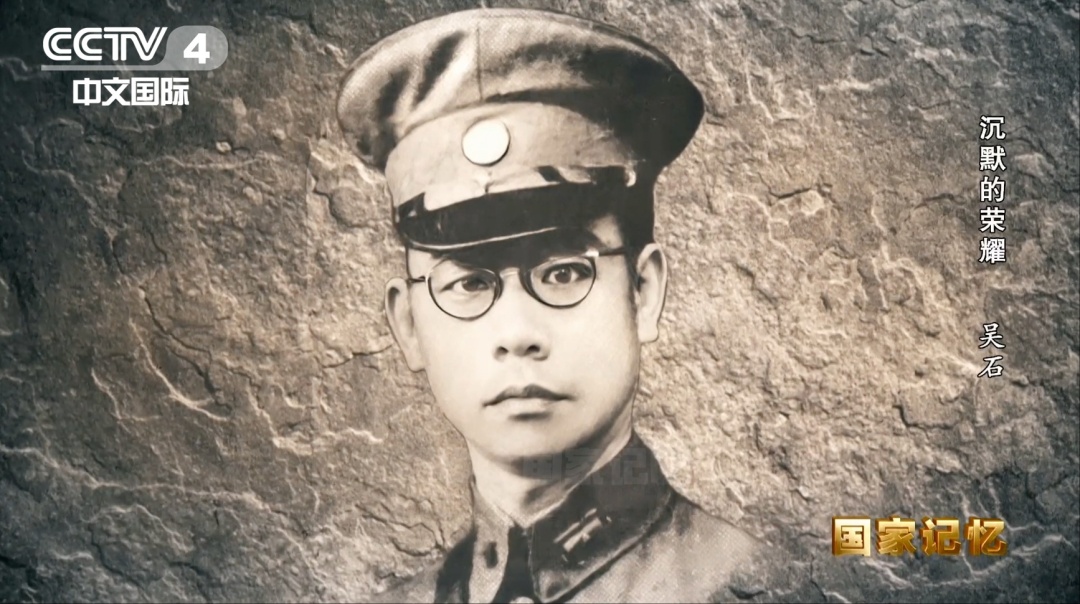 自南京发现户口卡以来,台湾已故烈士吴适研究取得新进展。
众所周知,1922年,28岁的吴适患上严重的咽喉疾病,离开部队到北平(今北京)养病。 1924年冬,冯玉祥将宣统逐出宫,并在河南组织国民军。吴石到洛阳,出任国军第十四师武器部科长,指挥炮兵。
另据报道,吴石于1922年至1924年间师从福建大儒何振泰学习诗词和国学。此后,古韵成为吴石一生的爱好。
1922年至1924年间,吴石除了养病、学习中国传统文化之外,还做了什么?
国家档案局主办的《中国档案》杂志(2025年第11期)发表题为《沉默的荣耀:官方拱门》的文章博物馆内发现的一份简历显示,吴石于1922年6月至1924年12月在京汉铁路管理局工作,获“交通部二级勋章”。
现有历史文献并未提及吴石早年在京汉铁路局办公室的工作经历。 This resume can fill in the relevant gaps.
该文件的第一页标题为“中国国营北京汉口铁路管理局吴先生简历”,内容为:“姓名:吴先生,29岁(民国十二年),福建省闽侯县人”,第五页为“编号:余勋,出生地:福建省保定陆军学院歌诗学院炮兵系图书馆毕业”。
由于他在1923年填写表格时已29岁,因此可以推测他出生于1894年。上述信息与Kureseki的信息相符。
简历personnel record clearly shows that Wu Shi joined the Beijing-Hankou Railway Administration on June 11, 1922, and retired on December 17, 1924. Specifically, he initially served as an instructor in the Engineering Department and was later transferred to the Office of the Director of Materials. 1924年12月,由于政策变化,他被停职。
At the same time, it was revealed that while working at the Beijing-Hankou Railway Administration Office, he was awarded a second-class medal by the Ministry of Transportation, demonstrating his excellent work performance.
The report also said that Wu's eldest son, Wu Shao, had been working in Henan since childhood.Henan Provincial Archives, November 1973A letter from the Henan Provincial Revolutionary Committee to the Provincial Metallurgical Bureau dated May 15 clearly states: "Comrade Wu Shaocheng of your department and his father, Comrade Wu Shi, sacrificed their lives for the glory of the revolution. It has been decided that Comr阿德·吴将被授予烈士称号,他的家人将被称为烈士。 “该证书将由财政部印制后完成颁发……”
来源:长安街知事
自南京发现户口卡以来,台湾已故烈士吴适研究取得新进展。
众所周知,1922年,28岁的吴适患上严重的咽喉疾病,离开部队到北平(今北京)养病。 1924年冬,冯玉祥将宣统逐出宫,并在河南组织国民军。吴石到洛阳,出任国军第十四师武器部科长,指挥炮兵。
另据报道,吴石于1922年至1924年间师从福建大儒何振泰学习诗词和国学。此后,古韵成为吴石一生的爱好。
1922年至1924年间,吴石除了养病、学习中国传统文化之外,还做了什么?
国家档案局主办的《中国档案》杂志(2025年第11期)发表题为《沉默的荣耀:官方拱门》的文章博物馆内发现的一份简历显示,吴石于1922年6月至1924年12月在京汉铁路管理局工作,获“交通部二级勋章”。
现有历史文献并未提及吴石早年在京汉铁路局办公室的工作经历。 This resume can fill in the relevant gaps.
该文件的第一页标题为“中国国营北京汉口铁路管理局吴先生简历”,内容为:“姓名:吴先生,29岁(民国十二年),福建省闽侯县人”,第五页为“编号:余勋,出生地:福建省保定陆军学院歌诗学院炮兵系图书馆毕业”。
由于他在1923年填写表格时已29岁,因此可以推测他出生于1894年。上述信息与Kureseki的信息相符。
简历personnel record clearly shows that Wu Shi joined the Beijing-Hankou Railway Administration on June 11, 1922, and retired on December 17, 1924. Specifically, he initially served as an instructor in the Engineering Department and was later transferred to the Office of the Director of Materials. 1924年12月,由于政策变化,他被停职。
At the same time, it was revealed that while working at the Beijing-Hankou Railway Administration Office, he was awarded a second-class medal by the Ministry of Transportation, demonstrating his excellent work performance.
The report also said that Wu's eldest son, Wu Shao, had been working in Henan since childhood.Henan Provincial Archives, November 1973A letter from the Henan Provincial Revolutionary Committee to the Provincial Metallurgical Bureau dated May 15 clearly states: "Comrade Wu Shaocheng of your department and his father, Comrade Wu Shi, sacrificed their lives for the glory of the revolution. It has been decided that Comr阿德·吴将被授予烈士称号,他的家人将被称为烈士。 “该证书将由财政部印制后完成颁发……”
来源:长安街知事 下一篇:没有了
 扫一扫,官方微信
|